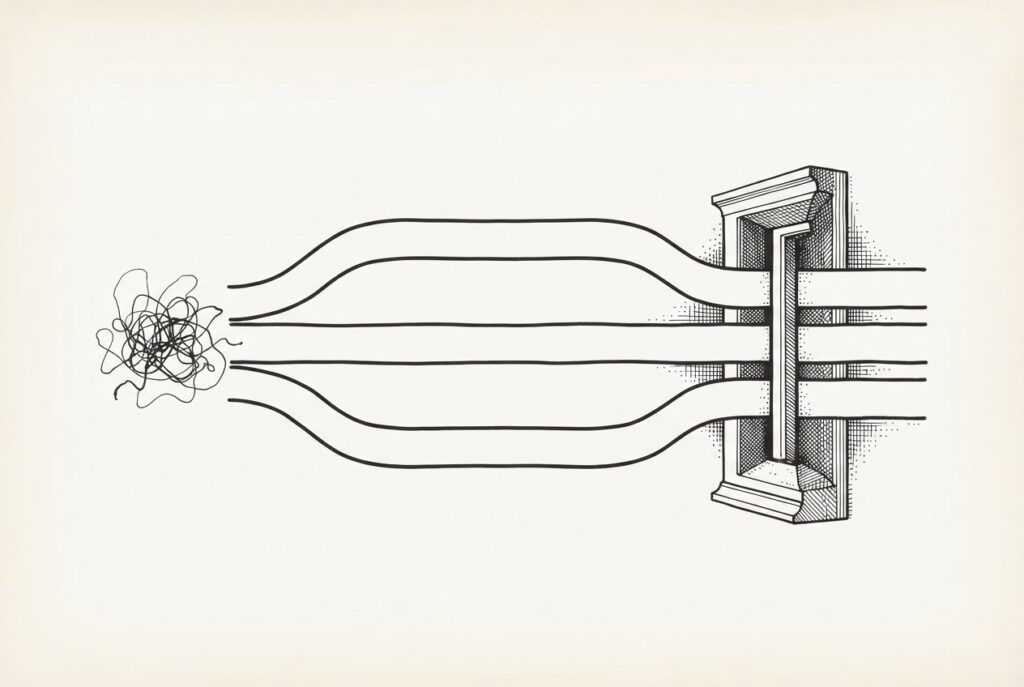
Google ADK v2.14.0 changes how RunSkillScriptTool is called when it runs in environment mode with a SkillToolset. The tool no longer accepts a free-form shell command string; callers instead provide args, short_options and positional_args. The scope is specific: the release notes describe this contract for that environment-backed configuration, not a change to every ADK tool or every way a script might be run.
The interface change is one part of the update. The release notes say scripts run from the skill directory through validated paths, rather than from the environment working directory. They also limit supported script types to .py, .sh and .bash. Calls, evaluation sets or prompts that still pass command return INVALID_ARGUMENTS; unsupported script types return UNSUPPORTED_SCRIPT_TYPE.
Those details make this a compatibility change as well as a change to an invocation boundary. A maintainer cannot treat it as a simple rename without checking the caller’s fields, where the tool resolves the script from, and whether the chosen file type remains supported. The documented error cases also distinguish a stale input contract from an unsupported script type.
The release notes carry a 2026-11-04 date in the version heading. The GitHub API record lists published_at as 2026-11-07T00:58:18Z. These are separate source fields, so the heading date and API publication timestamp should retain their own labels.
Google’s stated security rationale is specific: the release notes say, This closes a hole that let a prompt-injected model run arbitrary shell commands.
That explains why the command-string route changed. It does not independently establish how often the route was used, what effect the fix has in deployments, or that prompt injection and command execution risks are eliminated more broadly. The defensible claim is narrower: this tool contract removes free-form command input in the described mode and substitutes structured arguments and path validation.
For builders, the practical work is to inspect only the affected configuration and its callers, rather than assume every ADK integration needs a change. A focused migration check would cover:
- Calls to
RunSkillScriptToolin environment-modeSkillToolsetsetups, especially any that still supplycommand. - Prompts and evaluation sets that encode the old field, updating them to the three documented argument fields.
- Script references under the new skill-directory execution behavior and the supported
.py,.shand.bashtypes. - Separate tests for legacy command inputs returning
INVALID_ARGUMENTSand unsupported file types returningUNSUPPORTED_SCRIPT_TYPE.
The last two checks are recommendations inferred from the release’s documented behavior, not claims about a required migration process. Keeping the error cases separate makes the upgrade question clearer: is a caller still using the old input shape, or is it requesting a script type outside the supported set? That distinction gives maintainers a concrete test surface without turning a scoped interface change into a claim about overall system security.