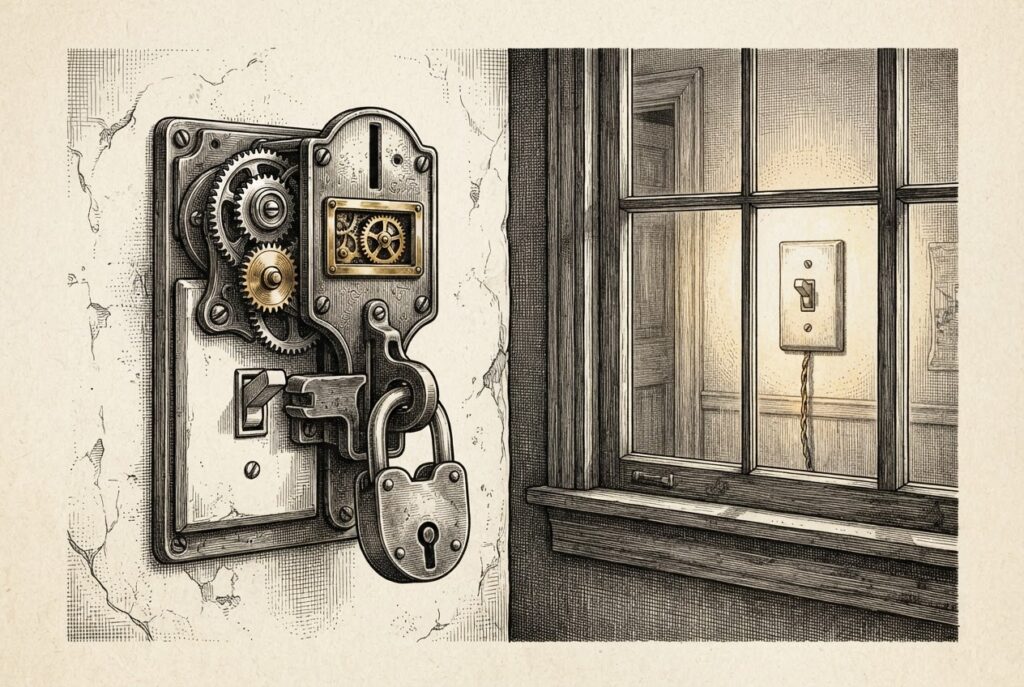
For years, the smart home has felt like a digital landlord’s dream, where every light switch and thermostat comes with a recurring monthly tax. With services like Google Home Premium charging up to $20 a month for advanced features, consumers are left wondering if they actually own the hardware they installed. At IFA 2026, however, LG signaled a pivot that feels less like a subscription trap and more like a play for the infrastructure itself.
This shift follows the industry-wide move toward the OpenClaw framework discussed in our previous coverage. LG is making a calculated bet by unveiling the ThinQ Claw, a text-chat-based AI agent. But the real story isn’t just the interface; it is the foundation beneath it. LG’s acquisition of Athom, the maker of the Homey smart home platform, is the move that changes the math. By securing an 80% stake in a company that supports over 70,000 devices across protocols from Matter and Thread to legacy infrared, LG is no longer just a hardware manufacturer playing nice with others. They now own the interoperability layer.
This is a strategic departure from the walled garden approach. Instead of forcing users into a proprietary ecosystem that breaks the moment you buy a third-party bulb, LG is positioning itself as the universal translator. This is where the money lens comes into focus. While competitors are busy building subscription paywalls around basic automation, LG is betting that owning the connectivity layer allows them to sell value through hardware efficiency rather than recurring software fees.
The most compelling evidence for this buy-once economic model is the Home Energy Management System demonstrated at the show. HEMS is not just another dashboard; it is an orchestrator. By managing solar panels, home batteries, and EV chargers in real-time alongside LG appliances, the system actively optimizes energy consumption based on dynamic pricing. If your fridge and battery can talk to the grid and decide the cheapest time to run a cycle, the hardware pays for itself. This is a tangible, bottom-line benefit that justifies a one-time purchase price, contrasting sharply with the $99.99 entry point of competitors like the LinknLink HomeClaw.
LG is also scaling this logic upward. The European debut of ThinQ Pro, a B2B platform initially launched at KBIS 2026, targets multi-family and commercial spaces. As Steve Baek noted, the goal is to simplify the management of appliances in North America’s varied residential environments. By embedding this intelligence into the building’s DNA, LG is moving from selling appliances to selling operational efficiency for property managers. It is a smart play: if you can reduce the overhead of managing a 200-unit apartment complex, you have a much stickier customer than a homeowner who might cancel a $10 monthly subscription.
However, the risks are as clear as the strategy. Owning the interoperability layer is a massive technical burden. Baek Seung-tae described ThinQ Claw as a way to understand “customer intent and life context,” but translating that intent across 70,000 devices is a nightmare of edge cases. If the AI misinterprets a command or the Homey integration stutters, the personalized experience quickly becomes a source of frustration. Furthermore, by moving away from the subscription model, LG loses the predictable recurring revenue that Wall Street currently craves. They are betting that their hardware will remain the preferred choice in a crowded market because it is cheaper to run and easier to manage, rather than because it is locked behind a monthly bill.
Ultimately, LG is trying to prove that the future of the smart home isn’t a monthly subscription, but a smarter, more efficient machine. Whether they can maintain that level of interoperability without the constant cash flow of a subscription service remains the multi-billion dollar question. For now, they have at least stopped asking us to pay rent on our own appliances.