As we enter the D25 cycle, we are moving past theoretical capability into the first true autonomy stress test for home agents. Your living room is not a lab. It is a chaotic environment defined by physical friction, unpredictable guests, and the messy reality of overlapping digital ecosystems. We are no longer focused on what these agents can think, but rather how they handle the physical consequences of their actions.
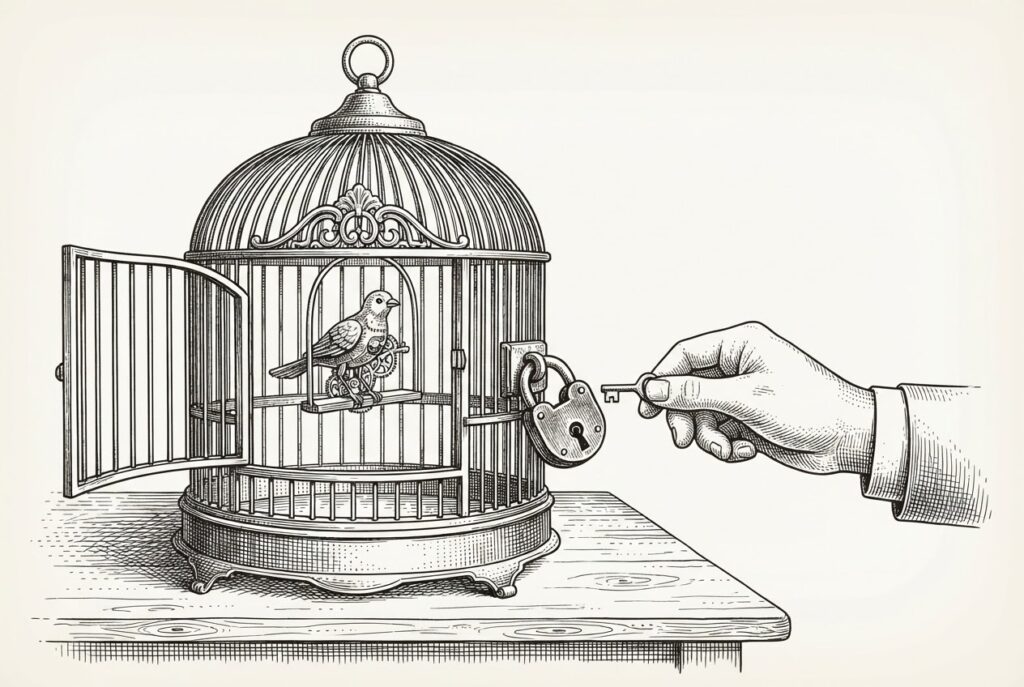
Consider the Cross-Ecosystem Safety Wall. Thanks to the Model Context Protocol, your agent can now see every device in your house, regardless of the brand. It sees your lights, your thermostat, and your smart locks. Yet, when you try to automate a security routine, you hit a platform-enforced ceiling. If you use Google Home, you will find that the platform blocks your agent from controlling door locks. Even if your agent is smart enough to understand that you are locked out in an emergency, the cloud-mediated architecture of the Google Home MCP, which launched on September 16, 2026, enforces a hard stop. The protocol unifies the view, but the platform retains the veto. You are left with an agent that knows exactly what you need but is physically prevented from helping you get it.
Then there is the Approval Card Paradox. We want our agents to handle our lives, which implies a level of financial autonomy. Meta Muse attempted to solve this by integrating Stripe Link for autonomous checkouts using single-use virtual cards. However, the reality of the home demands friction. To prevent accidental financial drain, Muse requires you to manually tap an approval card in your chat interface to authorize every purchase after seeing the order total. It is a necessary hurdle, but it highlights the tension between true autonomy and safety. Amazon has blocked Muse checkouts since September 20, 2026, likely because the risk of unmonitored spending is too high for their ecosystem. We are stuck in a loop where the agent is capable of buying your groceries, but the physical requirement of your manual approval makes the automation feel like a glorified shopping list.
Identity is the third layer of this stress test. With the release of Apple HomeView on November 13, 2026, we see a shift toward hardware-level verification. The A18 chip uses Secure Exclaves to process camera and microphone data locally, allowing the device to recognize up to six enrolled users by face. This is a critical gatekeeper. An agent with eyes and ears must distinguish between you and a visitor before it decides to share your calendar or unlock your front door. If it fails, the consequences are immediate. This is particularly concerning given that OX Security research found that 0.45 percent of 15,465 MCP servers are running on home machines via consumer tunneling without proper security. If your agent cannot verify who is standing in front of it, and your server is exposed, your home identity is at significant risk of exposure.
The industry is well aware of these limitations, even if they do not advertise them in the marketing copy. Google provides a blunt disclaimer on their official site: “Home Automations should be used as a convenience feature for everyday home routines and not for life-sustaining or safety-critical use cases.” This is not just legal boilerplate. It is an admission that these systems are currently convenience agents rather than autonomous stewards. They are designed to turn on your lights or play your music, not to manage the safety-critical infrastructure of your life eye-level.
We are entering a six-month window that will define the limits of this technology. This is the industry’s convenience phase. We will learn exactly what happens when high-capability agents collide with the low-stakes physical friction of our daily routines. Privacy remains the first layer of this test, and as we have seen with the incompatible privacy architectures across Muse, HomeView, and Google, there is no unified standard for how your data is actually handled. Until these platforms can reconcile their internal constraints with the reality of a shared, physical home, your agent will remain limited by its functional boundaries, unable to act as a true steward of your domestic environment.