Forrester and Gartner have independently arrived at the same conclusion: over 50% of layoffs currently attributed to AI will be quietly reversed by 2027 as companies confront the operational friction of replacing human talent too early. Forrester’s November 2024 predictions, published in early 2026, highlight this impending correction, while Gartner’s February 2026 forecast—sourced via TechRepublic due to restricted access—projects that firms will soon be rehiring for these roles under new titles like Solution Consultant or Trusted Advisor.
This convergence is a signal that the current wave of AI-driven job cuts is less of a permanent structural shift and more of a temporary imbalance in enterprise strategy. When two major research firms using distinct methodologies land on the same 50% figure, it suggests that the rush to automate has outpaced the actual readiness of the technology.
The Volume of the Trend
Despite these looming reversals, the pressure to cut costs remains intense. According to Challenger, Gray & Christmas, AI has been the primary driver of job cuts for four consecutive months as of July 2026. In June alone, 14,029 positions were eliminated due to AI, representing 31% of all layoffs for the month. This brings the year-to-date total to approximately 101,743 jobs lost under the banner of AI implementation.
These figures reflect a market environment desperate to demonstrate efficiency. Yet, the sheer volume of these cuts often masks a deeper, more problematic issue: the widening gap between the marketing promise of AI and the reality of its deployment.
The AI Washing Trap
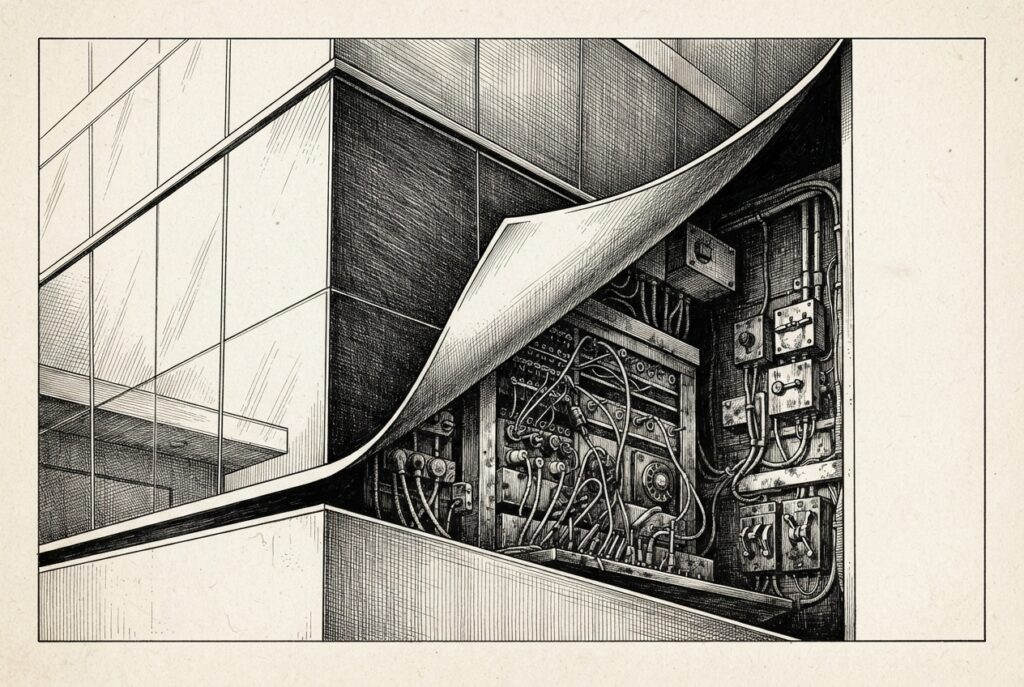
A significant driver of these future reversals is a phenomenon Forrester calls AI washing. Many organizations announcing AI-related layoffs lack mature, vetted applications capable of filling those roles. Instead, they are attributing financially motivated cuts to future AI implementation to appease stakeholders. When the promised efficiency gains fail to materialize because the underlying technology isn’t ready, the resulting operational gaps become impossible to ignore.
Lessons from the Front Lines
Real-world examples illustrate this cycle of over-correction. Klarna began rebuilding its human support capacity in 2025 after cutting its workforce from 5,000 to 3,500, while Ford reportedly acknowledged being overly optimistic about how quickly AI could enable workforce reductions, though this remains based on limited reporting without an independent primary source.
Moving Toward Augmentation
The takeaway for enterprise leaders is that the strategy of total replacement is frequently flawed. The most successful organizations are shifting toward an augmentation model. They are discovering that AI excels at handling high-volume, repetitive tasks, while human talent remains essential for the complex, nuanced work that maintains customer trust and operational quality.
Decision-makers must avoid the trap of AI washing and focus on a measured, long-term integration of technology that supports the workforce rather than hollowing it out. The data suggests that the most resilient organizations will be those that recognize the limits of automation early. Waiting for the operational costs of a depleted team to force a change in strategy is a costly, reactive approach that leaders should aim to avoid.