I spent most of last week trying to get my smart home to do something genuinely useful, and I ended up mostly just fighting with my own thermostat. You see the marketing, you hear the promises of a seamless, agent-driven future, and then you try to actually use it, and you hit a wall.
September brought a pile-up of AI agent visions. Within a single week, three major platforms launched their personal agent plays. Meta shipped Muse, which became the top free app in the U.S. App Store by promising to handle emails, travel bookings, and grocery orders. Apple released Siri AI with iOS 27. And Google opened early access to its Home Model Context Protocol, or MCP, for a select group of subscribers. On paper, it looks like the moment the smart home finally snapped into focus. In practice, it is a collection of isolated puddles.
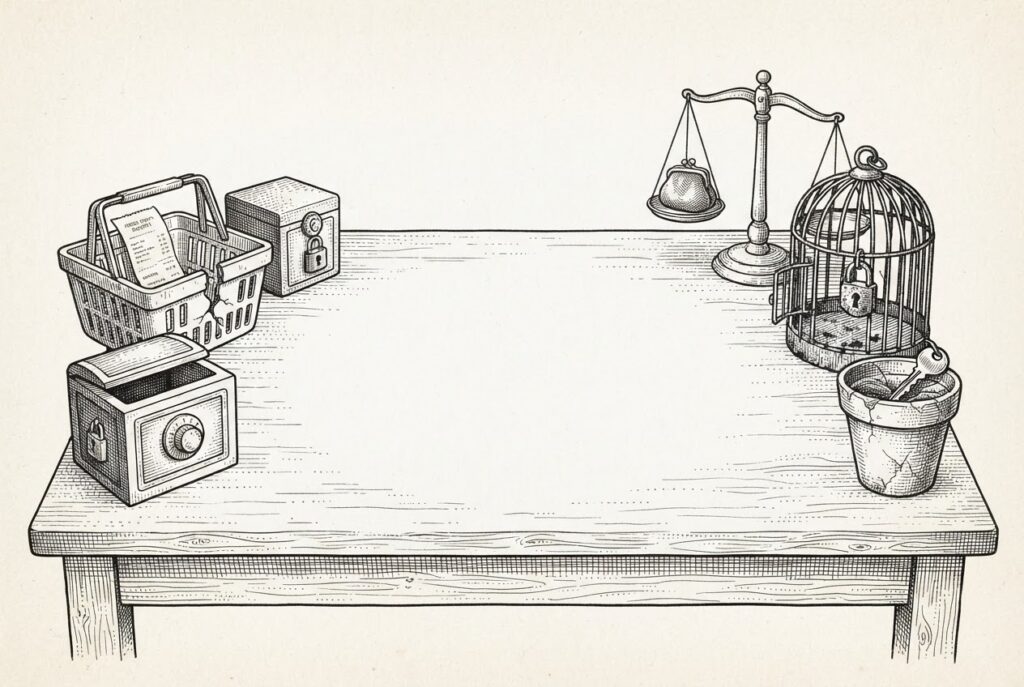
The most visible friction is Amazon’s decision to block Muse from browsing its site. Amazon cited security concerns, noting that the agent did not identify itself and appeared to be scraping customer credentials. The result is straightforward: the largest retail hub on the internet is now off-limits to the most popular new shopping agent. If your personal assistant cannot walk through the front door of the store where you actually buy things, how personal is it?
Then there is the trust gap, which is wider than any of these companies want to say out loud. According to PYMNTS Intelligence and Visa research, only 23 percent of consumers trust generative AI to handle payments. Only 35 percent would let an agent touch their saved credentials. An Oppenheimer and Co. survey of 1,500 U.S. consumers found that just 8 percent would trust Meta with their passwords, compared to nearly a third for Google. A Menlo Ventures survey of more than 5,000 adults found that 70 percent of non-users now distrust what AI tells them, up from 58 percent last year. Trustworthiness ranks as the second most important factor in whether people choose an AI product, behind only accuracy.
Even if you wanted to build something to bridge these gaps, you are currently out of luck. As of the second day of Meta Connect, there were no SDKs or clear API terms for Muse connectors. Developers are essentially staring at a submission form and hoping for the best. Without a standard way to build integrations, we are stuck with whatever the platforms decide to give us.
And when things go wrong, we are operating in a regulatory vacuum. The EU AI Act does not have specific provisions for AI agents, and the serious obligations for high-risk systems do not kick in until late 2027. If an agent mishandles your money or your data today, you are largely on your own.
The platforms themselves are also playing a game of hurry-up-and-wait. Apple’s conversational home control features were pushed to 2027. Google’s MCP is locked behind a premium subscription, available only in the United States, with no timeline for broader rollout. The pattern is clear: the surveillance layer, like camera intelligence and notification summaries, ships right away, while the actual agent control that might save you time gets pushed to next year.
The agent home is currently a marketing claim, not a place you can actually live. Muse captures commerce intent. Siri handles device toggles. Google collects smart home data. They are silos, not assistants. If you are considering buying into this today, keep your expectations grounded. You are getting early features that work better as surveillance tools than as the personal assistants the demos promised.