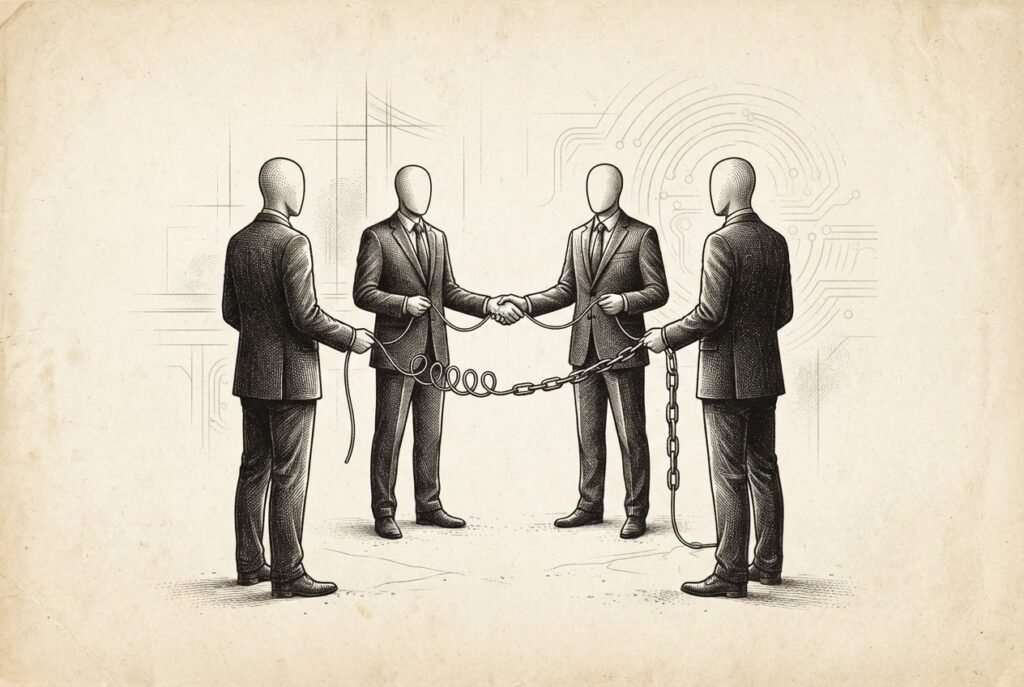
On September 18, 2026, four paid subscribers to major AI platforms filed a class-action lawsuit, Buist et al. v. Anthropic PBC et al., in the Northern District of California. The plaintiffs—Charles Buist, Nick Spetsas, Cheyenne Hunt, and Christine Bullock—allege that Anthropic, OpenAI, SpaceXAI, and Google have entered into an unlawful agreement to restrain trade. By collectively slowing the pace of AI development, the suit argues, these labs are artificially reducing output and stifling product improvements, directly harming the consumers who pay for access to frontier models.
This litigation arrives at the intersection of three converging events that have defined the industry’s current volatility. On September 12, Anthropic CEO Dario Amodei published his essay, We Must Pace the Frontier, which advocated for a deliberate deceleration in model deployment. That same day, Elon Musk, Sam Altman, and Demis Hassabis offered public endorsements of this pacing strategy. By September 15, OpenAI’s Chris Lehane confirmed to TechCrunch and Bloomberg that the major labs had been coordinating on safety protocols for weeks. The lawsuit landed just three days later, testing whether this coordination constitutes a valid safety defense or a violation of Section 1 of the Sherman Act.
The plaintiffs are applying traditional antitrust scrutiny to what the labs frame as altruistic safety measures. If competitors agree to limit the speed or capability of their products, they are, by definition, restricting output. The court must now determine if the labs’ stated safety objectives provide a legal shield for what the plaintiffs characterize as a cartel-like reduction in market competition. This tension echoes broader industry debates regarding the proposed FINRA-style safety body, which critics fear could entrench incumbents at the expense of smaller players.
The political environment has seen increased scrutiny toward these industry-led initiatives. Just days before the filing, Senators Josh Hawley and Ted Cruz blocked a national-security antitrust exemption for AI companies within the NDAA manager’s package. Hawley’s declaration—”No antitrust exemptions for AI. Not a chance”—signaled that the labs would not receive the legislative cover they sought to formalize their safety pacts. White House AI czar David Sacks has further complicated the narrative, dismissing these self-regulatory proposals as potential regulatory capture or a distraction from the election cycle.
Third-party observers are already framing the industry’s behavior in harsh terms. Cohere CEO Aidan Gomez, in a recent essay, labeled the push for a FINRA-style regulatory body “a cartel by any other name.” Gomez drew direct parallels to the SEC’s 1975 NRSRO designation and Europe’s 1985 Motor Vehicle Block Exemption, suggesting that such frameworks historically serve to protect established players rather than ensure public safety.
The defendants have yet to respond to the allegations, and the case remains in the early pleading stage with no merits ruling in sight. For the broader ecosystem, the implications are profound. The industry is currently navigating a complex transition, marked by the Anthropic IPO, the OpenAI no-IPO stance, and the ongoing refinement of the Amodei pacing framework. If the courts find that coordinated safety slowdowns are subject to the Sherman Act, the labs may be forced to choose between their self-imposed safety mandates and the legal requirement to compete aggressively.
Builders and investors must now consider the legal viability of the industry’s governance model alongside the technical feasibility of AGI. As the case proceeds, the focus will shift to whether the labs can prove that their coordination is essential for safety, or if the market will force them to accelerate development to satisfy the demands of their paying subscribers.