8:00 a.m., Tuesday. Coffee going cold while you squint at the thermostat and mentally re-check the back door. That little routine is the entire market now. As Apple prepares for its Welcome Home event in Tribeca on Tuesday, October 13, the industry is betting it can hand that routine to an agent. Apple’s Oct 8 teaser from marketing SVP Greg Joswiak has set the stage, but before you get swept up in the excitement over rumored hardware like a new smart-display hub that our HomePad preview puts at a rumored $350, it is time to look past the marketing. Choosing a smart home platform is no longer just about which speaker sounds best. It is a governance choice. You are deciding who gets to run your house.
The Four Words That Govern Your Home
To understand what you are actually buying, you need to translate four pieces of industry jargon into household consequences. These terms define how your home behaves at 8:00 a.m. when you are not looking.
Agentic: Who acts without asking?
An agentic system is one that makes decisions on your behalf. The danger here is not just convenience, but control. Google’s Home MCP documentation shows AI clients can execute actions through tools. However, the system is built with guardrails. Google explicitly prohibits sensitive actions like unlocking doors, acknowledging that connecting a real-life home to an AI agent allows that agent to control devices on your behalf. If you want an agent that can act, you have to accept that it might act in ways you did not explicitly authorize. Home MCP itself requires an active Google Home Premium Advanced subscription.
Local: What leaves your house?
Local or on-device processing determines what data stays within your four walls. This is the primary selling point for Home Assistant 2026.10, which recently introduced a one-click local MCP server as detailed in the 2026.10 release notes. By pasting a local URL into an AI app like Claude or ChatGPT, you allow those apps to talk to your home without sending your data to a third-party cloud. In contrast, Apple’s Siri AI claims that on-device processing is a core feature. Yet, per reports, conversational agent control for HomeKit is delayed until late 2026 or early 2027. If you buy hardware on Tuesday, you are buying a promise that the intelligence will eventually live in your living room, not on a server in California.
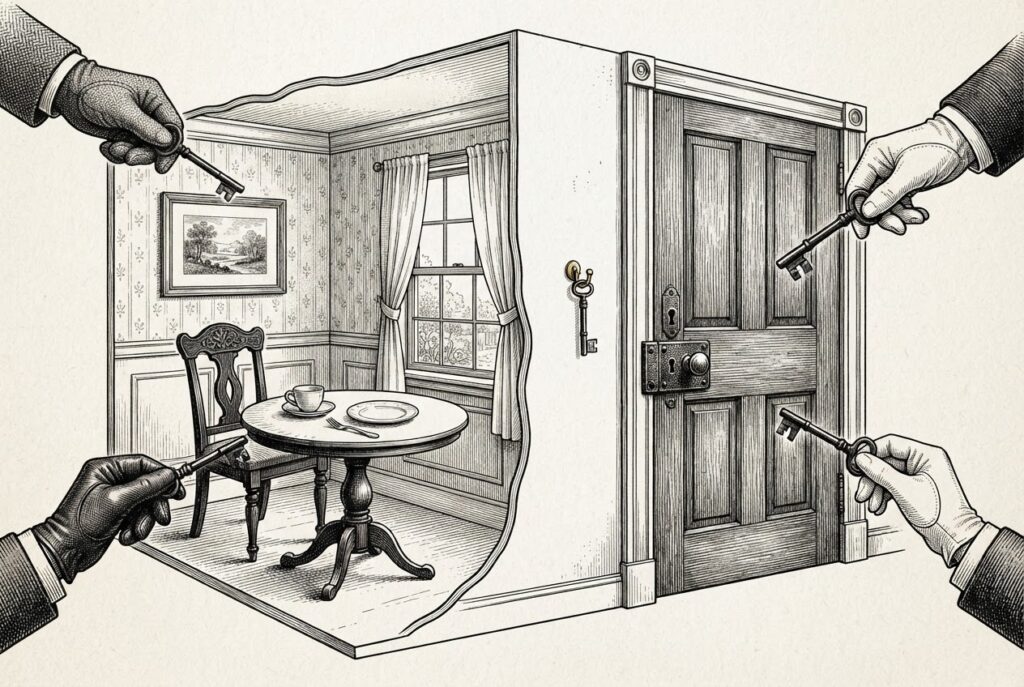
MCP: Which other agents get keys?
The Model Context Protocol is essentially a set of keys you hand out to software. Home Assistant allows you to expose your entire home structure to AI apps, but it restricts this access to administrator accounts. Google’s documentation says you should inform household members if you connect a home other people share. Every time you enable an MCP connection, you are inviting a new digital guest into your home who can see your device states and monitor your history. You must decide if you trust the agent enough to give it the keys to your digital front door. Access is revocable from the Google Home app.
Proactive: Who initiates?
A proactive agent does not wait for a command; it starts things on its own. This is where the billing models diverge sharply. Meta’s Muse Home Link, a USB-C dongle based on the ESP32-C5 chip covered in our Muse Home Link report, aims to bridge Meta’s assistant to your network. While Meta is offering a 5,000-unit free run for active US Muse subscribers, the hardware comes with locked firmware you cannot reflash. You are trading your autonomy for a free device. Meta’s ship window for the dongle is late October or early November, a claim rather than a date on the box. Meanwhile, Google gates its agent behind that subscription, and Apple anchors its experience in expensive, rumored hardware. Home Assistant asks for your labor instead of your money, requiring you to run your own box to maintain control.
This is the move from one hub to intelligence spread across every room, as our Architecture Shift analysis laid out. The screen is becoming the agent’s face, as our smart-display analysis showed. The words on the spec sheet now matter more than the speaker grille.
Questions for Tuesday
As you watch the demos on Tuesday, ignore the grand promises of a seamless future. Instead, ask the practical questions that affect your Tuesday morning routine:
- If I lose my internet connection, does my home still function, or does the agent go silent?
- Can I revoke the agent’s access to my devices with a single button, and does that actually stop the data flow?
- Does this device require a monthly subscription to perform basic automations, or am I paying for the hardware once?
- If the company changes its terms of service, can I still use my devices, or do they become e-waste?
The best smart home is not the one that is the most intelligent. It is the one that knows its place, respects your privacy, and lets you stay in charge of your own front door.