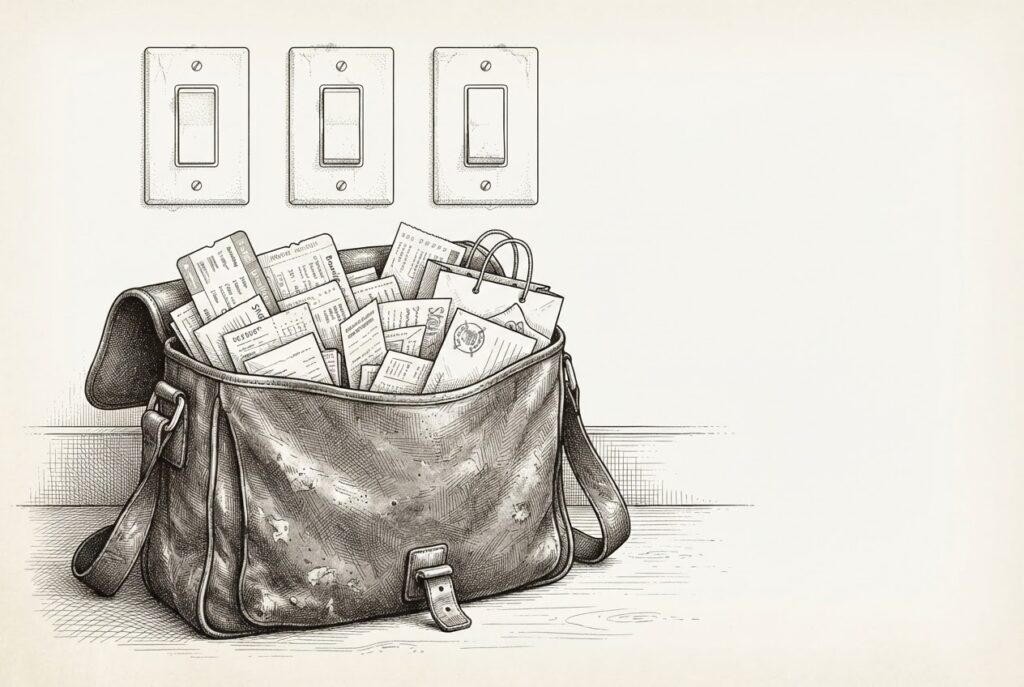
The modern inbox is a disaster, and the calendar is a mess. Most people don’t need an AI to dim the lights or lock the front door; they need an agent to clear the backlog of emails, finalize travel arrangements, and process payments. This friction is where Meta’s Muse has found its footing.
Since its September 8, 2026, launch, Muse has moved with surprising speed. According to third-party usage data, the app hit 2.182 million daily active users by October 5. It briefly overtook ChatGPT as the top free app on iOS and Google Play in the U.S. and Canada. Crucially, it achieved this without controlling a single smart lightbulb or thermostat.
The market is signaling a shift. We have been waiting for the “home agent” to arrive, but the data suggests the real demand is for a “personal task agent.” Muse’s adoption numbers prove users are prioritizing task completion — email management, travel booking, and shopping through partners like Walmart and Best Buy — over home automation.
As noted in our previous analysis of device control, Meta lists “smart home” as a category in its connector strategy but has yet to announce a single partner or feature. Muse cannot control your physical environment. If you want to dim your lights, you are still looking at Siri AI or Google Home’s Model Context Protocol.
The contrast with Apple’s $299 HomeView, which launched on October 13, is stark. HomeView is hardware tethered to a room and focused on the physical environment, yet it lacks an App Store and limits third-party integration. Muse is software for a life — portable, platform-agnostic, and focused on tasks that follow you from the office to the coffee shop.
Retention metrics provide a clearer picture of this utility. Muse shows a 73% day-one return rate, nearly double that of ChatGPT. As Meredith Whalen of IDC noted in a recent analysis, “Muse has an opportunity to be sticky with consumers because it is a task-completer, rather than just a chatbot.”
The monetization strategy is equally aggressive. Meta has introduced tiered subscription models, with Muse Power at $20 per month for 500 million tokens per week, and a Maximum tier at $100 per month for 3 billion tokens per week. This move signals that Meta views Muse as a high-value productivity tool rather than a free-to-use novelty.
Wall Street is taking notice of this revenue potential. Deutsche Bank analyst Benjamin Black has suggested that Muse could reach up to 8% of Meta’s total revenue by 2030, with estimates ranging between $2.4 billion and $36 billion. This valuation hinges on the agent’s ability to integrate deeply into commerce and productivity workflows, effectively turning the AI into a digital concierge that generates transaction fees.
However, the path to sustained growth faces hurdles. Similarweb data indicates that while Muse starts strong, it loses users quickly, with ChatGPT regaining the lead between days eight and nine. Furthermore, the ecosystem is becoming defensive; Amazon is currently leading a wave of websites blocking AI agents from scraping their platforms, which could limit the utility of Muse’s shopping connectors.
We must also acknowledge the limitations of our current data. We are relying on third-party estimates from Sensor Tower and Similarweb rather than official figures from Meta. We lack a granular per-task usage breakdown, forcing us to infer user intent from promoted use cases and the glaring feature gaps in the current connector list.
The industry implications are significant. If the most successful agent is the one that handles your wallet and your inbox rather than your HVAC system, the “smart home” narrative is likely missing the point. Consumers are voting with their downloads, choosing productivity over automation.
The future of the agentic home may not be about the home at all. It is about the person living in it, and the tasks they need to clear off their plate. Watch how Meta handles the “smart home” category it has listed but left empty. If they continue to ignore device control while the user base grows, it will confirm that the era of the personal task agent has arrived.