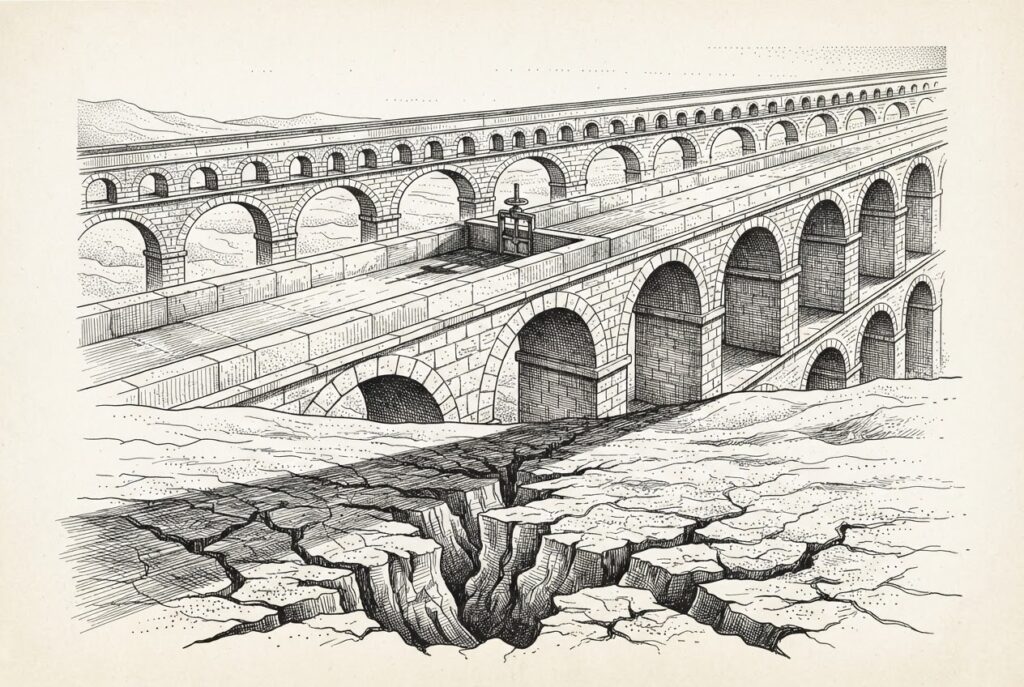
A month of plumbing
September 2026 shipped more agentic commerce infrastructure in thirty days than the previous two years combined. Stripe flipped the switch on WebMCP across 7.8 million businesses. The OCC conditionally approved Catena Labs for a national trust bank charter purpose-built for AI agents. Meta launched Muse with Stripe-powered Link checkout at over a million merchants. Apple brought Siri AI to general availability.
Each launch is real. Together they represent the most concentrated assembly of machine-spending infrastructure the payments world has seen. The question nobody on the building side seems eager to answer: who is actually using any of this?
The numbers the infrastructure crowd doesn’t quote
A Checkout.com survey from June 2026 – 400 heads of payments, 12,000-plus consumers across six markets – tells a story the launch announcements do not. Eighty-nine percent of merchants are actively preparing for agentic commerce. Forty-two percent are already testing it. And three percent of actual transactions involve AI agents.
Three percent. While the plumbing multiplies, the water is barely moving.
Forrester’s numbers cut even deeper. Only 24 percent of U.S. online adults trust AI to make routine purchases. Three-quarters remain uncomfortable with autonomous agent payments, even with preset spending limits. We have already seen one prominent test of this thesis fail: OpenAI shuttered its Instant Checkout feature in March 2026 after less than a year, citing lackluster performance.
The market has spoken on this once already.
The precedent nobody wants to hear
Apple Pay, backed by one of the most trusted consumer brands on earth, took more than a decade to reach roughly 25 percent adoption among U.S. online adults – and that was with a pandemic pushing contactless payments into the mainstream. If a branded, seamless, phone-native wallet needed ten years to capture a quarter of the market, what timeline are we assuming for software agents that most consumers have never interacted with?
The technical work Stripe is doing is genuinely impressive – 42 percent fewer tokens consumed, 38 percent fewer tool calls, 39 percent faster checkout versus baseline browser automation. The progressive tool disclosure architecture is elegant. None of that changes the fact that the consumer still has to approve every transaction in a chat interface, and most consumers have not connected an agent to anything.
Where the trust layer is forming
The J.P. Morgan Payments framework, published in February, lays it out plainly. Michael Lozanoff of J.P. Morgan Payments put it this way: success will come not from the smartest AI agents, but from the institutions building the governance, permissioning, and trust infrastructure that supports them.
That is why the Stop Rogue AI Act – introduced September 9, proposing NIST standards for identifying and controlling AI agents, including revocation of access – sits in the same conversation as any API release. The Checkout.com data found 75 percent of merchants say giving customers real-time ability to revoke permissions is critical to adoption. The permissioning gap is the binding constraint, not the technology gap.
Catena Labs’ OCC charter points in the same direction: a bank built not for humans but for autonomous agents, handling custody and settlement under the GENIUS Act framework. The architecture is forming around identity and consent, not around faster checkout.
What to watch
Three forward tells define the next phase of this market.
First, human-in-the-loop adoption curves. If the first real traction comes from B2C models where agents propose and humans approve – the Apple Pay parallel – then the autonomous shopping thesis gets pushed out by years, not quarters.
Second, permissioning standards. The Stop Rogue AI Act and NIST agent identity work target exactly the gap merchants identified. Watch whether real-time revocation tools actually ship and whether consumers adopt them.
Third, shuttered features. If the product launches that preceded infrastructure maturity keep folding – as OpenAI’s Instant Checkout did – the market is telling you the sequence is wrong. Infrastructure does not create demand. Demand pulls infrastructure.
The plumbing is laid. The pipes are clean. The question is whether anyone turns on the faucet.